
Some skin conditions — keloids, cystic acne, alopecia areata — do not respond to creams or oral medication. They need treatment delivered precisely where the problem exists. Intralesional injections place a therapeutic dose of medication directly into the skin lesion, achieving results that surface-level treatments simply cannot.
At Skin Esthetics Clinic, F-10 Islamabad, intralesional corticosteroid injections and other specialized formulations are administered by Dr. Abbas Shah and his clinical team using sterile, fine-gauge needles and precise dermatological technique — ensuring maximum effectiveness with minimal systemic exposure.
What Are Intralesional Injections?
Intralesional injections involve delivering medication — most commonly a corticosteroid such as triamcinolone acetonide (Kenalog) — directly into a skin lesion rather than into general circulation. This creates a high local concentration of the active agent exactly where it is needed, while keeping systemic absorption, and therefore systemic side effects, to a minimum.
Depending on the condition being treated, other agents such as 5-Fluorouracil (5-FU) or bleomycin may be used alongside or instead of corticosteroids to target specific tissue responses.
Conditions Treated with Intralesional Injections at Skin Esthetics Clinic
Keloids & Hypertrophic Scars
Intralesional triamcinolone acetonide suppresses fibroblast activity and collagen overproduction, gradually flattening raised scar tissue. For resistant keloids, combination therapy with 5-FU is used for stronger remodeling outcomes.
Alopecia Areata
Intralesional injection for alopecia areata is one of the most clinically established treatments for patchy hair loss. Corticosteroids are injected into affected scalp areas to suppress the local autoimmune response attacking hair follicles, stimulating regrowth in most patients within 4–8 weeks.
Cystic & Nodular Acne
Intralesional acne injection using diluted triamcinolone is among the fastest ways to collapse an inflamed cystic acne nodule. Most patients see visible reduction within 24–72 hours of a single intralesional injection in cystic acne — making it ideal before events or for painful, resistant lesions.
Oral Submucous Fibrosis (OSMF)
Intralesional injection in OSMF involves delivering corticosteroids or hyaluronidase directly into fibrotic oral tissue to reduce stiffness, improve mouth opening, and slow disease progression. This is a specialized application performed in coordination with appropriate clinical assessment.
Chronic Inflammatory Skin Lesions & Nodules
Localized thickening, inflammatory plaques, and resistant dermatological nodules that fail to respond to topical treatment are candidates for targeted intralesional therapy.
Types of Medications Used in Intralesional Injections
Medication | Primary Use |
Triamcinolone acetonide (Kenalog) | Keloids, alopecia areata, acne cysts, inflammatory lesions |
5-Fluorouracil (5-FU) | Resistant keloids, hypertrophic scars |
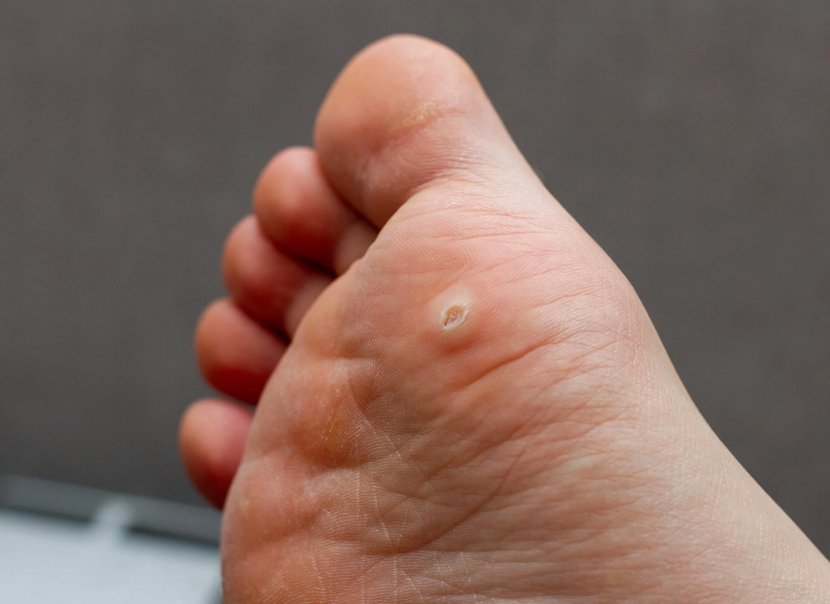
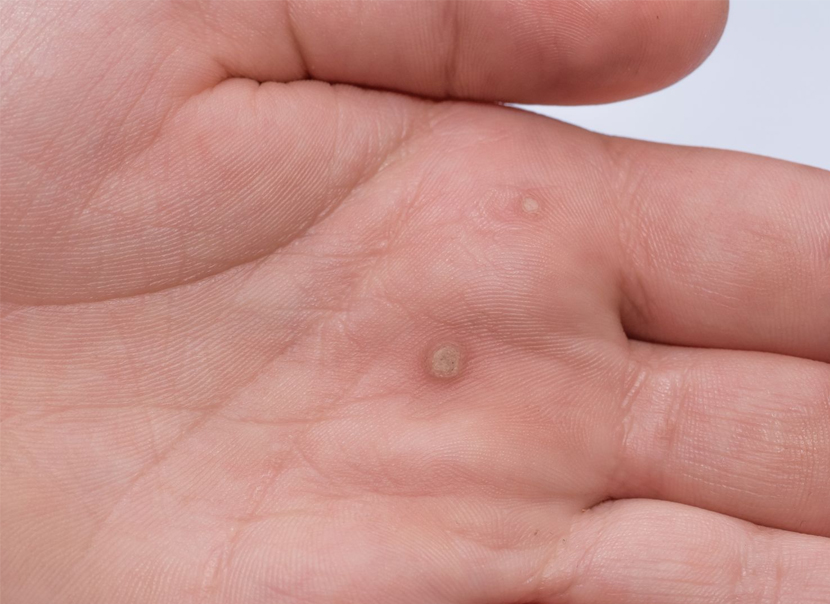
Bleomycin | Warts, keloids |
Hyaluronidase | OSMF, localized fibrosis |
The choice of agent, concentration, and injection volume is determined by Dr. Abbas Shah followed a thorough clinical assessment of the lesion type, size, and your treatment history.
Body Areas Treatable with Intralesional Injections
Intralesional therapy can be applied to lesions on virtually any area of the body, including:
- Scalp (alopecia areata)
- Face — acne cysts, nodules, small keloids
- Chest and shoulders — common keloid sites post-surgery or injury
- Earlobes — keloids following piercing
- Back and arms — hypertrophic scars
- Oral mucosa — OSMF
How Do Intralesional Injections Work?
Once injected directly into the lesion, the medication acts through several mechanisms:
- Reducing local inflammation and vascular permeability
- Suppressing abnormal immune responses driving conditions like alopecia areata
- Inhibiting fibroblast proliferation to flatten keloids and hypertrophic scars
- Breaking down fibrotic tissue in conditions like OSMF
- Promoting normal collagen remodeling and tissue healing
Because the medication is delivered at the site of pathology rather than systemically, results are faster and more concentrated than oral or topical alternatives.
The Intralesional Injection Procedure at Skin Esthetics Clinic
Step 1: Dermatological Assessment
Dr. Abbas Shah conducts a detailed clinical evaluation to confirm the diagnosis, assess lesion characteristics, and determine whether intralesional therapy is the appropriate treatment path. For alopecia areata patients, a scalp assessment is included. Learn more about our alopecia areata treatment approach here.
Step 2: Treatment Planning
The appropriate medication — whether intralesional kenalog injection, 5-FU, or another agent — is selected along with the precise concentration, injection volume, and session frequency required for your specific condition.
Step 3: Preparation
The treatment area is cleansed. A topical numbing agent may be applied for sensitive areas or multiple injection sites. No anaesthesia is typically required.
Step 4: Injection
Using a fine-gauge sterile needle, the medication is delivered directly into the lesion under controlled pressure. Most sessions take 5–15 minutes depending on the number of lesions treated.
Step 5: Aftercare
No downtime is required. You can resume normal activities immediately. Post-treatment instructions are provided where relevant, particularly for acne or keloid cases.
Preparation Before Your Session
- Arrive with the treatment area clean and free of creams or makeup
- Inform the team of any blood thinners, supplements, or steroid medications you are currently taking
- Disclose any known allergies, particularly to corticosteroids
- Avoid applying topical retinoids to the area 48 hours prior
- For scalp treatments, wash hair before your appointment
Results & Treatment Timeline
Condition | Expected Results | Sessions Required |
Cystic acne nodule | Visible reduction in 24–72 hours | Often 1 session |
Alopecia areata | Hair regrowth in 4–8 weeks | Every 3–6 weeks |
Keloids & hypertrophic scars | Gradual flattening over months | Every 4–6 weeks |
OSMF | Improved mobility over weeks | Multiple sessions |
Results vary by individual lesion severity and treatment history. Patients with long-standing keloids or advanced alopecia may require more sessions before measurable improvement.
Before & After — What to Expect
Most patients notice a reduction in lesion size, redness, or inflammation within days to weeks of their first session. For conditions like alopecia areata, new hair growth becomes visible within 4–8 weeks. Keloids respond more gradually, with meaningful flattening typically visible after 2–3 sessions.
Photographs are taken before treatment begins so that progress can be objectively tracked across sessions.
Does an Intralesional Injection Leave a Scar?
When performed correctly by a trained dermatologist using appropriate needle gauge and injection technique, intralesional injections do not leave scars. The needle entry point is extremely small and heals without visible marking in the vast majority of cases.
The more relevant risk is skin atrophy — a slight depression or thinning at the injection site — which can occur if high concentrations of corticosteroid are injected too superficially or too frequently. At Skin Esthetics Clinic, concentration and technique are carefully calibrated to minimize this risk.
Possible Side Effects
Intralesional injections are well-tolerated and carry a low risk of complications when administered by an experienced dermatologist. Potential side effects include:
- Temporary skin thinning (atrophy) at injection site
- Mild hypopigmentation (lightening of skin) — usually temporary
- Minor bruising or redness post-injection
- Rare: rebound flare of the treated lesion
Systemic side effects are uncommon given the localized nature of the treatment. Our team monitors all patients and adjusts concentration levels across sessions to minimize any risk.
Who Is an Ideal Candidate?
Intralesional injection therapy is suitable for:
- Patients with keloids, hypertrophic scars, or raised scar tissue
- Individuals experiencing patchy hair loss due to alopecia areata
- Those with painful, persistent cystic or nodular acne unresponsive to topical or oral treatment
- Patients with OSMF seeking non-surgical management
- Men and women with localized inflammatory skin conditions resistant to conventional treatment
For patients dealing with broader hair loss concerns, our hair loss treatment page covers additional restorative options available at the clinic.
Who Should Avoid Intralesional Injections?
- Individuals with active bacterial or fungal infection at the injection site
- Patients with a documented allergy to triamcinolone, corticosteroids, or other injectable agents
- Pregnant or breastfeeding women (assessed case by case)
- Patients with systemic conditions contraindicating corticosteroid use
- Individuals with a history of severe keloid recurrence after prior steroid injection (requires alternative protocol)
Intralesional Injection Cost in Islamabad
The cost of intralesional corticosteroid injections in Pakistan depends on several factors:
- Type of medication used (Kenalog, 5-FU, bleomycin)
- Number and size of lesions treated per session
- Condition being treated and total sessions required
- Combination with other dermatological treatments
Indicative pricing: PKR 5,000 – 15,000 per session
Exact intralesional corticosteroid injections price in Pakistan is confirmed during your initial consultation at Skin Esthetics Clinic. There are no hidden charges, and a full treatment plan with projected costs is provided upfront.
Why Choose Skin Esthetics Clinic for Intralesional Injections in Islamabad?
- Treatments performed and supervised by Dr. Abbas Shah — a certified dermatology specialist
- Precise diagnosis before any injection is administered
- Medically calibrated concentrations for each patient and lesion type
- Sterile single-use needles and clinical-grade technique
- Transparent consultation with honest prognosis — no over-promising
- Located in F-10/2 Islamabad — easily accessible from all major sectors
- Trusted by patients across Islamabad with a verified 5.0 Google rating
For patients whose skin concerns extend beyond intralesional treatment, we also offer acne scar treatment, skin lesion removal, and keloid-related skin rejuvenation options at the same clinic.
Frequently Asked Questions
Are intralesional injections painful?
A mild pricking sensation is felt during injection, similar to any standard skin injection. For sensitive areas or multiple lesions, a topical numbing cream is applied beforehand. Most patients tolerate the procedure without significant discomfort.
Does intralesional injection leave a scar?
In skilled hands with correct technique, no visible scar is left. The primary risk is superficial skin atrophy at the injection site, which is minimized through proper concentration calibration and injection depth.
How many sessions of intralesional injection are needed?
Cystic acne often resolves with a single session. Alopecia areata typically requires sessions every 3–6 weeks over 3–6 months. Keloids may need 4–8 or more sessions depending on size and age of the scar.
What is the intralesional injection price in Pakistan?
At Skin Esthetics Clinic Islamabad, pricing starts from PKR 5,000 per session. The final cost depends on the medication used, number of lesions, and sessions required. A detailed quote is provided after consultation.
Is intralesional kenalog injection safe?
Yes. Triamcinolone acetonide (Kenalog) has decades of clinical use in dermatology. When administered at the correct concentration and frequency by a qualified dermatologist, it is a very safe and effective treatment.
How soon will I see results?
Acne cysts improve within 24–72 hours. Hair regrowth from alopecia areata treatment becomes visible within 4–8 weeks. Keloid flattening is gradual — measurable improvement is typically seen after 2–3 sessions.
Can intralesional injections be combined with other treatments?
Yes. For keloids, combination therapy with 5-FU alongside Kenalog improves outcomes. For alopecia areata, intralesional injections can be complemented with PRP therapy for enhanced hair follicle stimulation
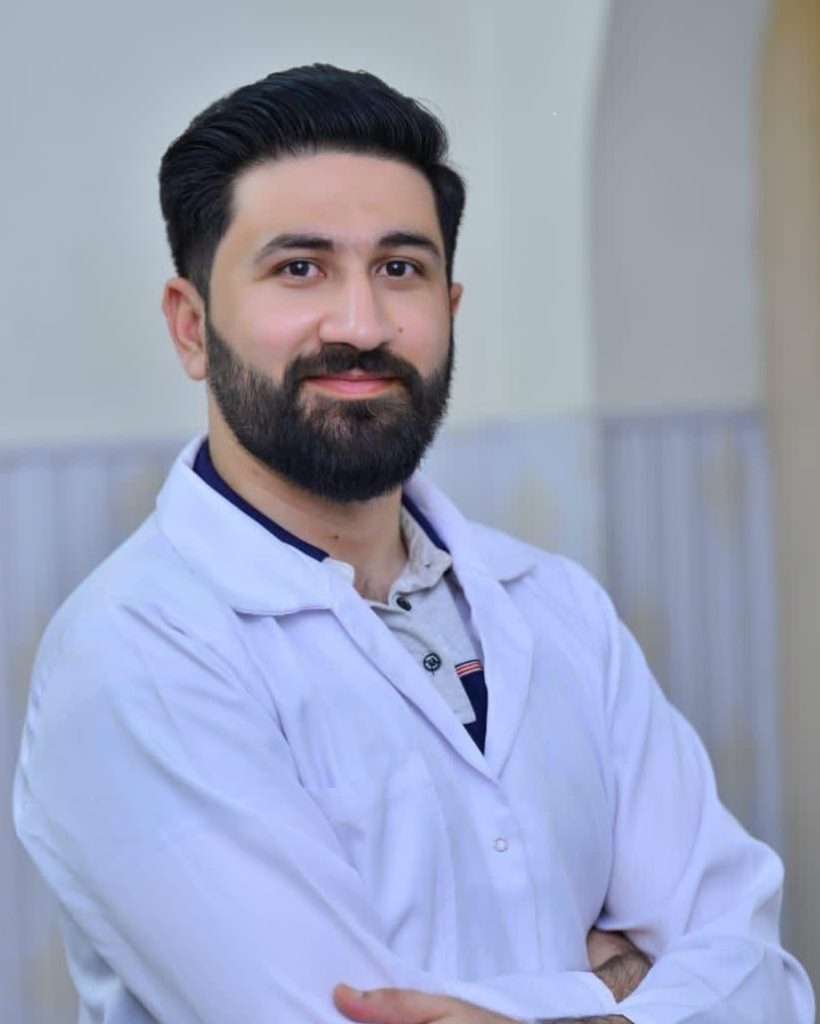
Dr. Abbas Shah
Be prepared for a new look and new you by getting
Dr. Abbas Shah, a renowned dermatologist and the proud owner of Skin Esthetics, brings years of expertise in skincare and aesthetics. Known for his dedication to providing top-notch care, Dr. Abbas offers a range of advanced treatments, including Micro hair transplant services, designed to deliver exceptional, natural-looking results. With a commitment to excellence and personalized care, Dr. Ghulam Abbas Shah ensures that every client at Skin Esthetics receives the highest quality treatment for transformative outcomes.
Discover your skin’s true potential with Dr. Abbas Shah’s expert guidance. Transformative skincare solutions tailored to your unique needs. Unlock radiant, healthy skin and embrace confidence like never before. Hair transplantation is a surgical procedure that moves hair follicles from the back and sides of the head to the balding areas. This treatment is effective for restoring hair growth and addressing various types of hair loss.